Learning Series: Built Environment & Health

from $75.00

Built Environment & Health

A practical learning-and-action experience for building healthier neighborhoods—where green space, safe routes, accessible destinations, and everyday needs are within reach.

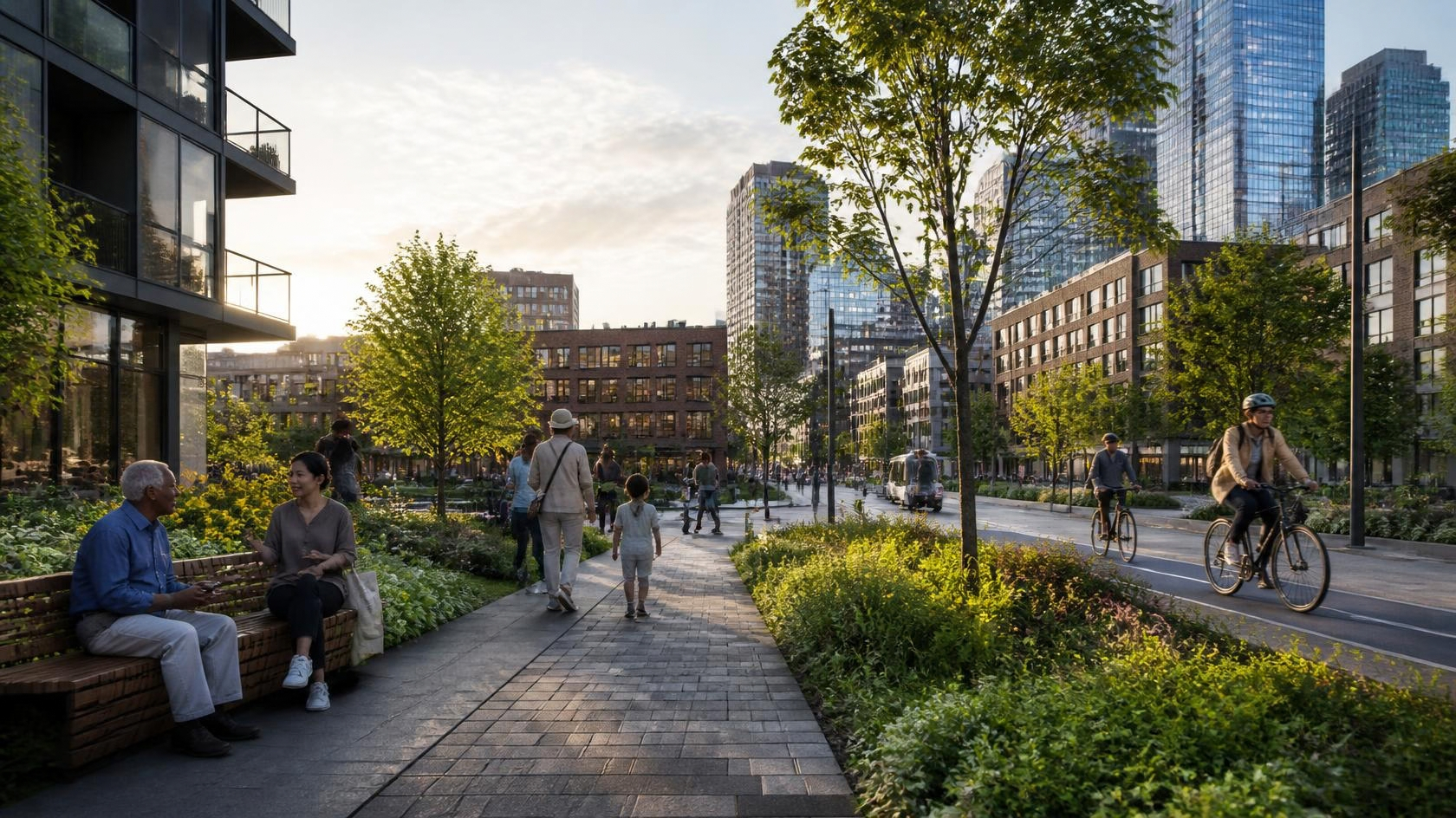
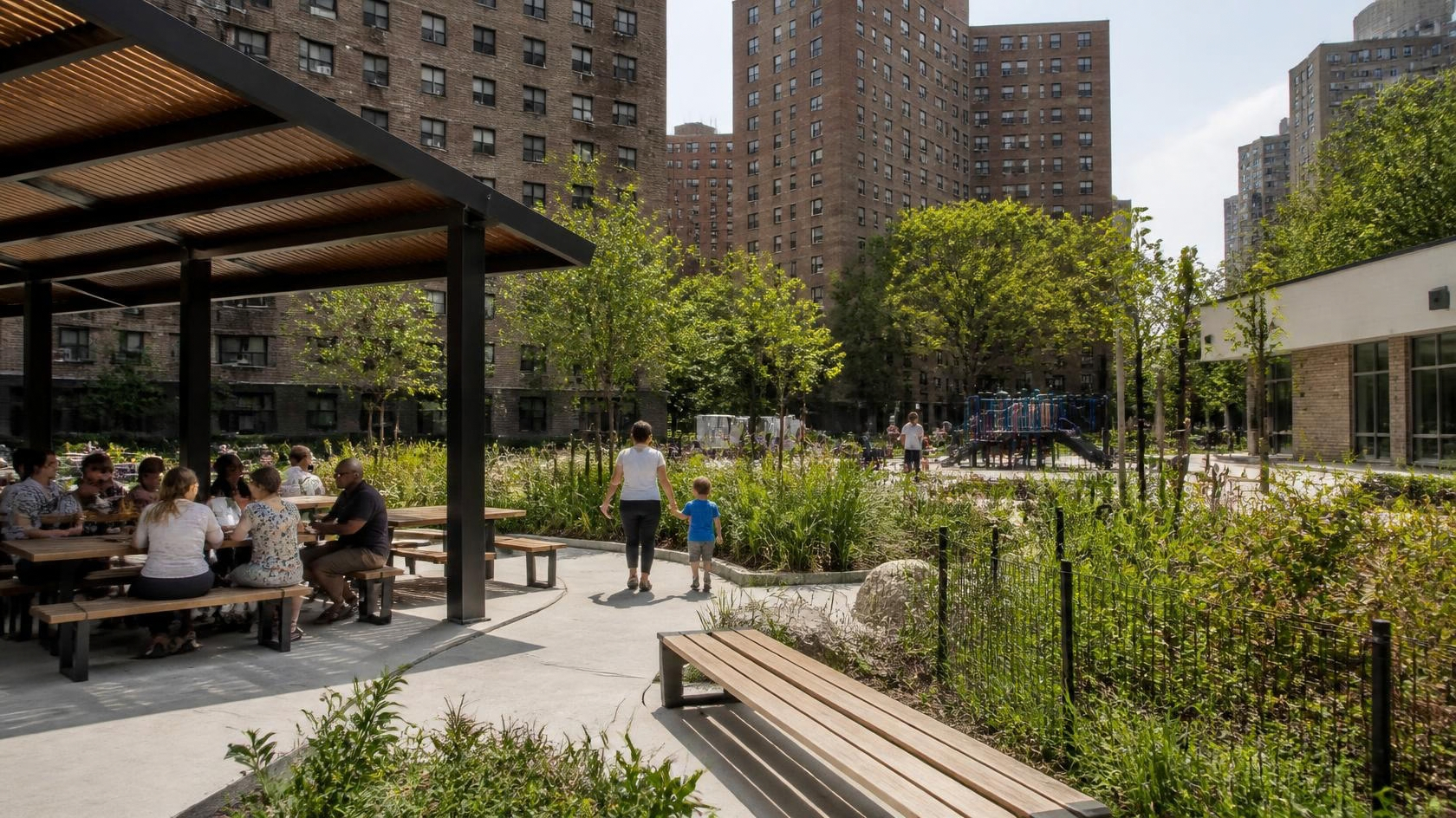
The built environment shapes what is possible in everyday life. It influences whether a resident can safely walk to a park, reach healthy food without a car, get a stroller or wheelchair across an intersection, wait for transit in shade, access a clinic, feel comfortable using a sidewalk, or spend time outdoors near home.

The Commyn Built Environment & Health Learning Lab brings people together to examine these conditions at the ZIP-code, neighborhood, corridor, and block level. Participants learn how green space, roads, sidewalks, crossings, ramps, parking, land use, building design, cleanliness, mobility, and public-space quality influence health—and how to convert that knowledge into practical local action.

Participants will learn how to

  1. Define a built-environment and health condition at the block, corridor, neighborhood, or ZIP-code level.

  2. Assess the difference between geographic proximity and real-world access.

  3. Conduct or contribute to a walk audit, access audit, or neighborhood observation.

  4. Identify how green space, roads, parking, sidewalks, ramps, cleanliness, maintenance, and land use affect health.

  5. Map public, private, nonprofit, institutional, and community decision-makers.

  6. Evaluate intervention options

  7. Communicate an access gap and improvement case to developers, agencies, elected leaders, funders, and neighbors.

  8. Help develop a pilot, policy recommendation, design concept, or investment strategy that can move forward.

When
Wednesdays, December 9th and 16th 1-3PM CDT

Instructors
Dr. Angela Mott

Capacity
25 spots

Type:

Built Environment & Health

A practical learning-and-action experience for building healthier neighborhoods—where green space, safe routes, accessible destinations, and everyday needs are within reach.

The built environment shapes what is possible in everyday life. It influences whether a resident can safely walk to a park, reach healthy food without a car, get a stroller or wheelchair across an intersection, wait for transit in shade, access a clinic, feel comfortable using a sidewalk, or spend time outdoors near home.

The Commyn Built Environment & Health Learning Lab brings people together to examine these conditions at the ZIP-code, neighborhood, corridor, and block level. Participants learn how green space, roads, sidewalks, crossings, ramps, parking, land use, building design, cleanliness, mobility, and public-space quality influence health—and how to convert that knowledge into practical local action.

Participants will learn how to

  1. Define a built-environment and health condition at the block, corridor, neighborhood, or ZIP-code level.

  2. Assess the difference between geographic proximity and real-world access.

  3. Conduct or contribute to a walk audit, access audit, or neighborhood observation.

  4. Identify how green space, roads, parking, sidewalks, ramps, cleanliness, maintenance, and land use affect health.

  5. Map public, private, nonprofit, institutional, and community decision-makers.

  6. Evaluate intervention options

  7. Communicate an access gap and improvement case to developers, agencies, elected leaders, funders, and neighbors.

  8. Help develop a pilot, policy recommendation, design concept, or investment strategy that can move forward.

When
Wednesdays, December 9th and 16th 1-3PM CDT

Instructors
Dr. Angela Mott

Capacity
25 spots

Built Environment and Health.

Who should participate?

The Urban Conditions Learning Lab is designed for people who want to help move a neighborhood issue from concern to coordinated action:

  • Community stakeholders

  • Local institutions and practitioners

  • Business and place-based partners

  • Students

Continuing-education credit opportunities may be offered in partnership with eligible academic, professional, health, planning, or community-development organizations. Specific credit availability will be listed for each Learning Series.


Ask About 90-day Cohort Participation